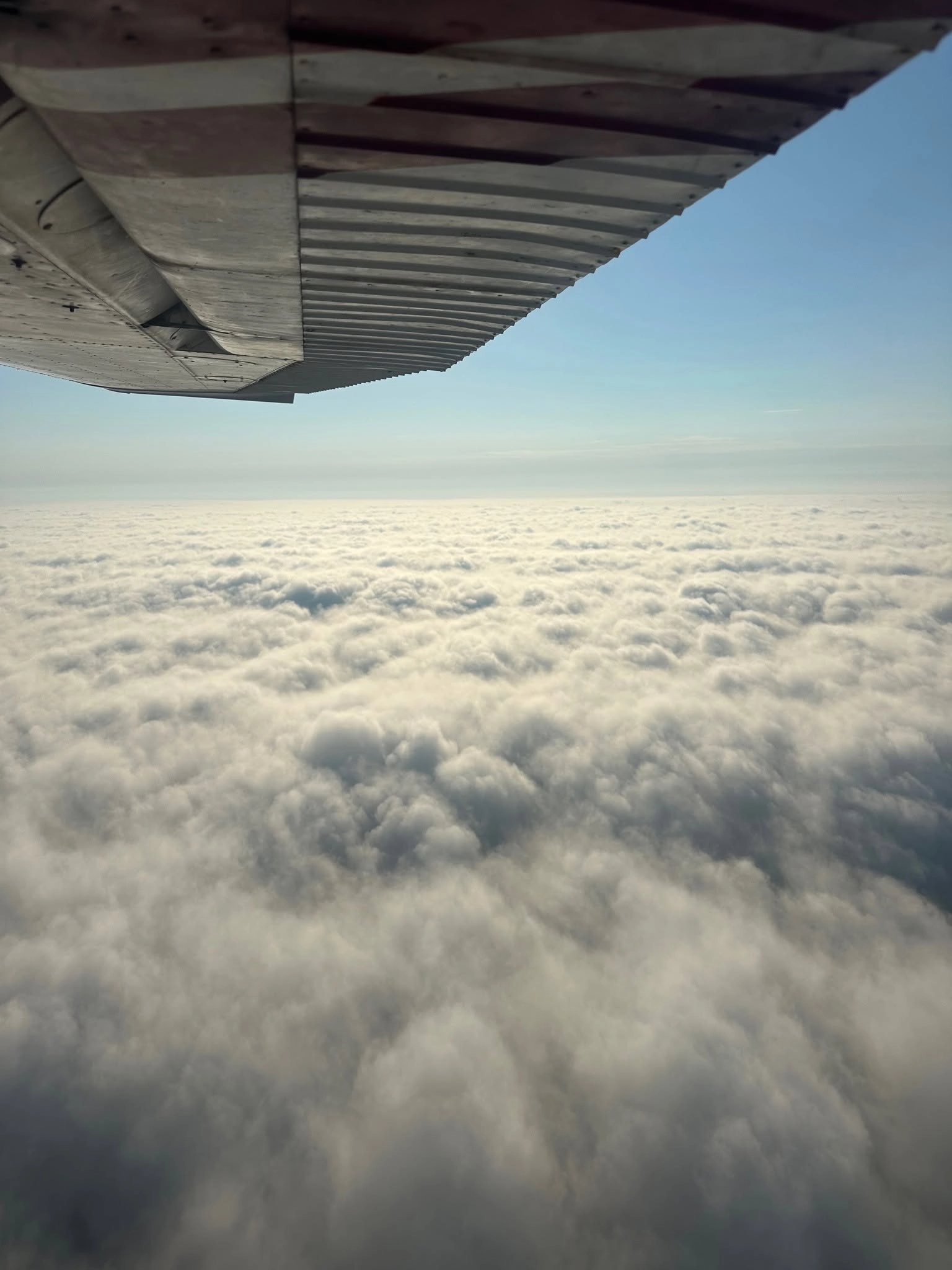
New to Flying?
Starting with zero experience is normal. Your first job is simple: understand what flight training is, pick the right first step, and train at a school that moves you forward with clarity, safety, and consistency.
Flight training turns curiosity
into real, lasting skill
Flight training is the step-by-step process of learning to fly an aircraft safely. You train alongside a Certified Flight Instructor, study the rules of the sky, practice in real conditions, and build the judgment needed to make sound decisions at every stage.
You don't need to know aviation jargon before your first lesson. You need a structured path, steady sessions, and a school that explains each milestone before you pay for the next.
Trusted pathways
for our graduates


Your first month should
feel clear, not overwhelming
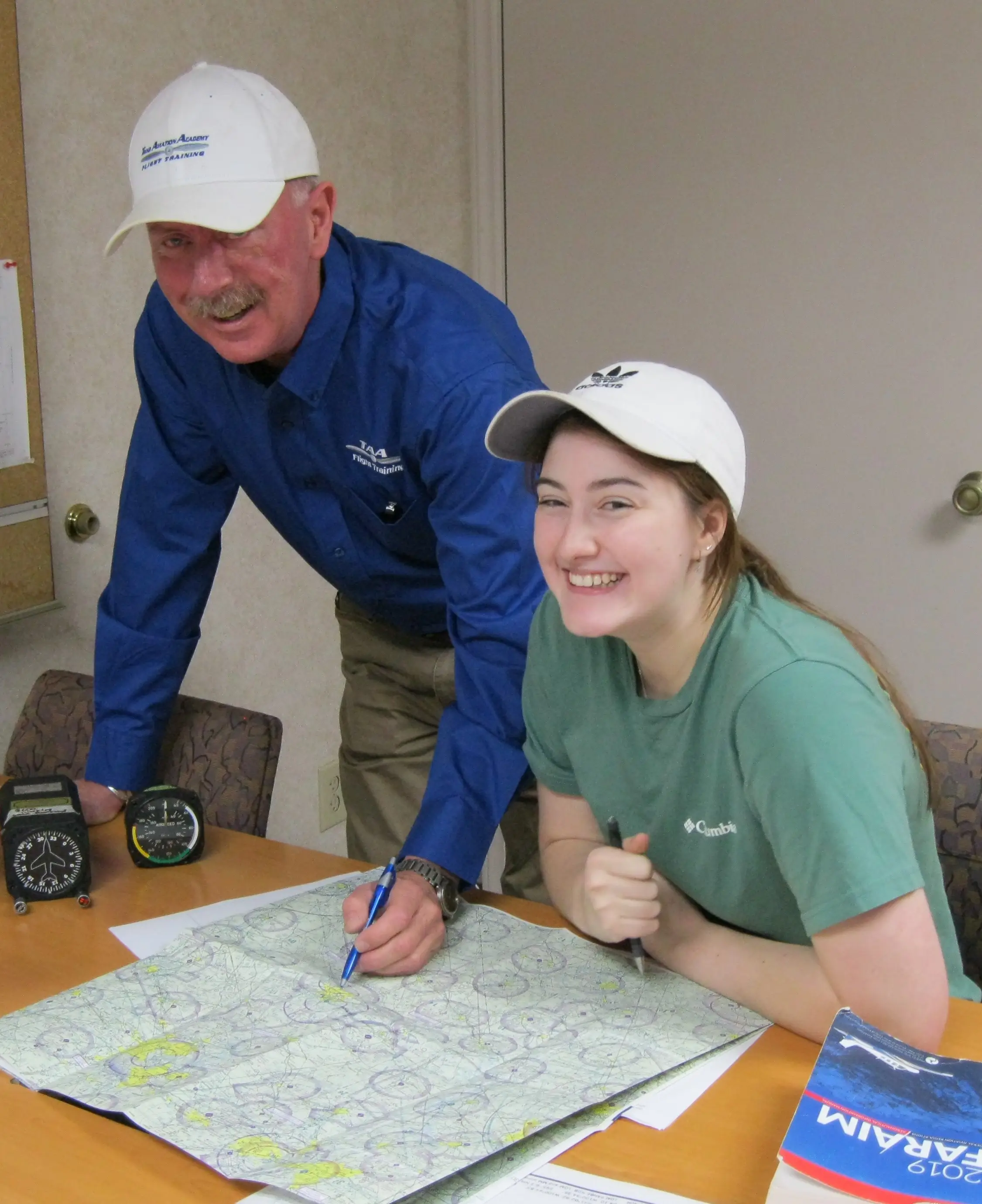
Most beginners worry about choosing the wrong path or wasting money. At Triad, the first step is practical. You learn what each certificate means, how lessons work, and what to expect — before you commit to a full training plan.
- Start with a discovery flight. Sit with an instructor, see how a real lesson works, and decide if flying feels right before you enroll.
- Choose your first goal. Most new students start with Private Pilot training — it's the foundation for every certificate that follows.
- Build a training schedule. Consistent flying helps you retain skills faster, reduces repeat lessons, and keeps you on track.
- Plan your budget early. Admissions can walk you through payment options before training begins — no surprises.
What you actually
learn as a new pilot
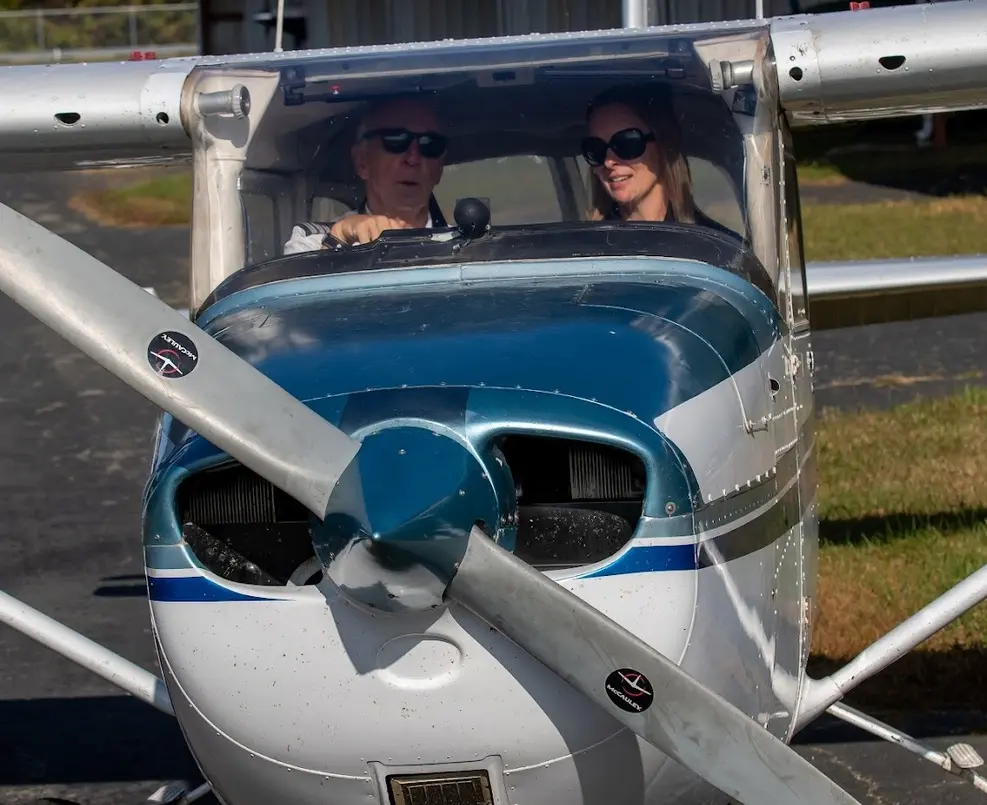
Training is not just about moving the controls. You build the complete habit pattern of a safe, disciplined pilot — one lesson at a time.
How the aircraft flies and why
You learn takeoffs, climbs, turns, descents, and landings — and the precise habits that make each maneuver smooth and repeatable.
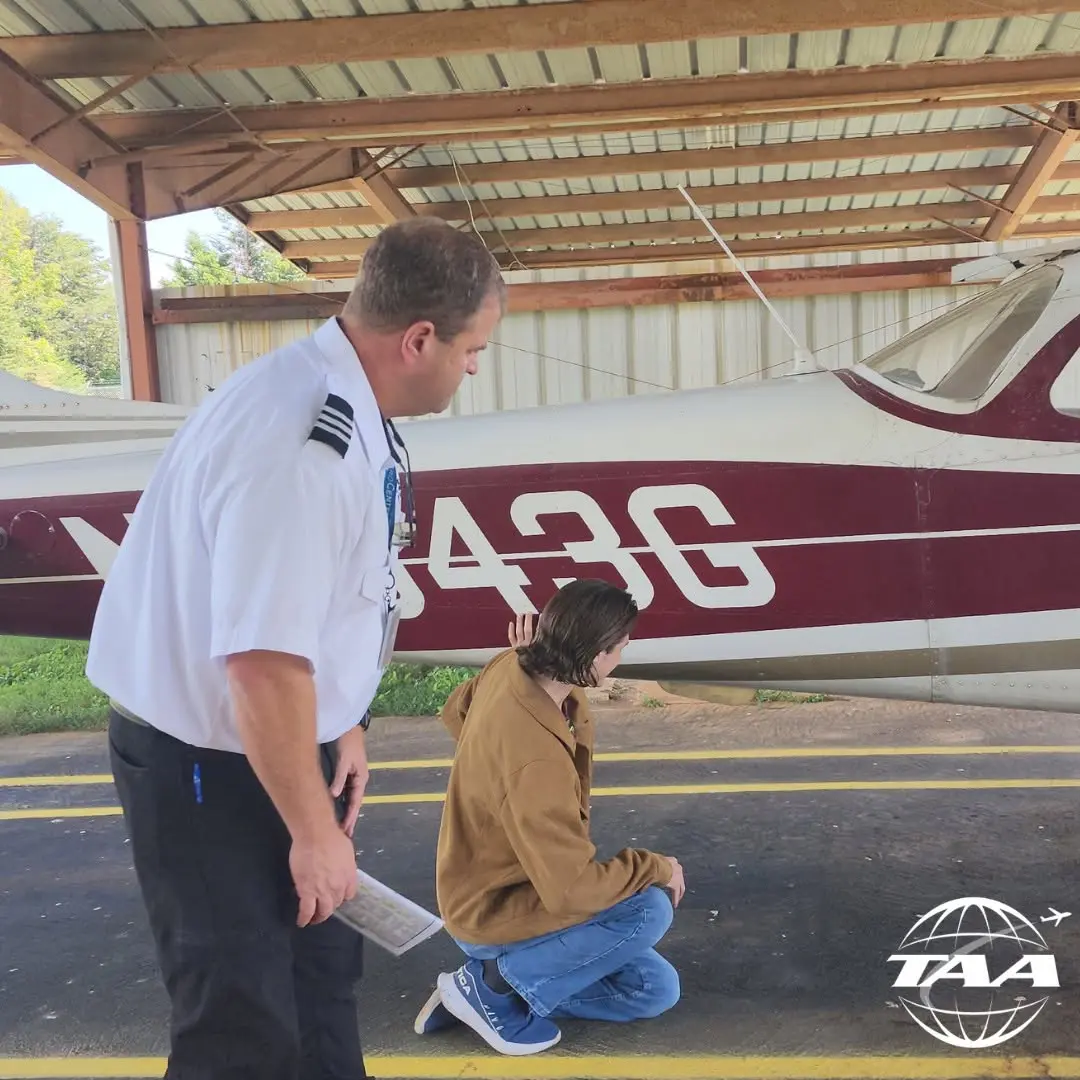
How to make safe decisions
Weather reading, airspace rules, emergency checklists, and go/no-go judgment are built into every lesson from day one.
How certificates build on each other
Private Pilot comes first. From there, Instrument, Commercial, and CFI training open up — whether flying stays personal or becomes a career.
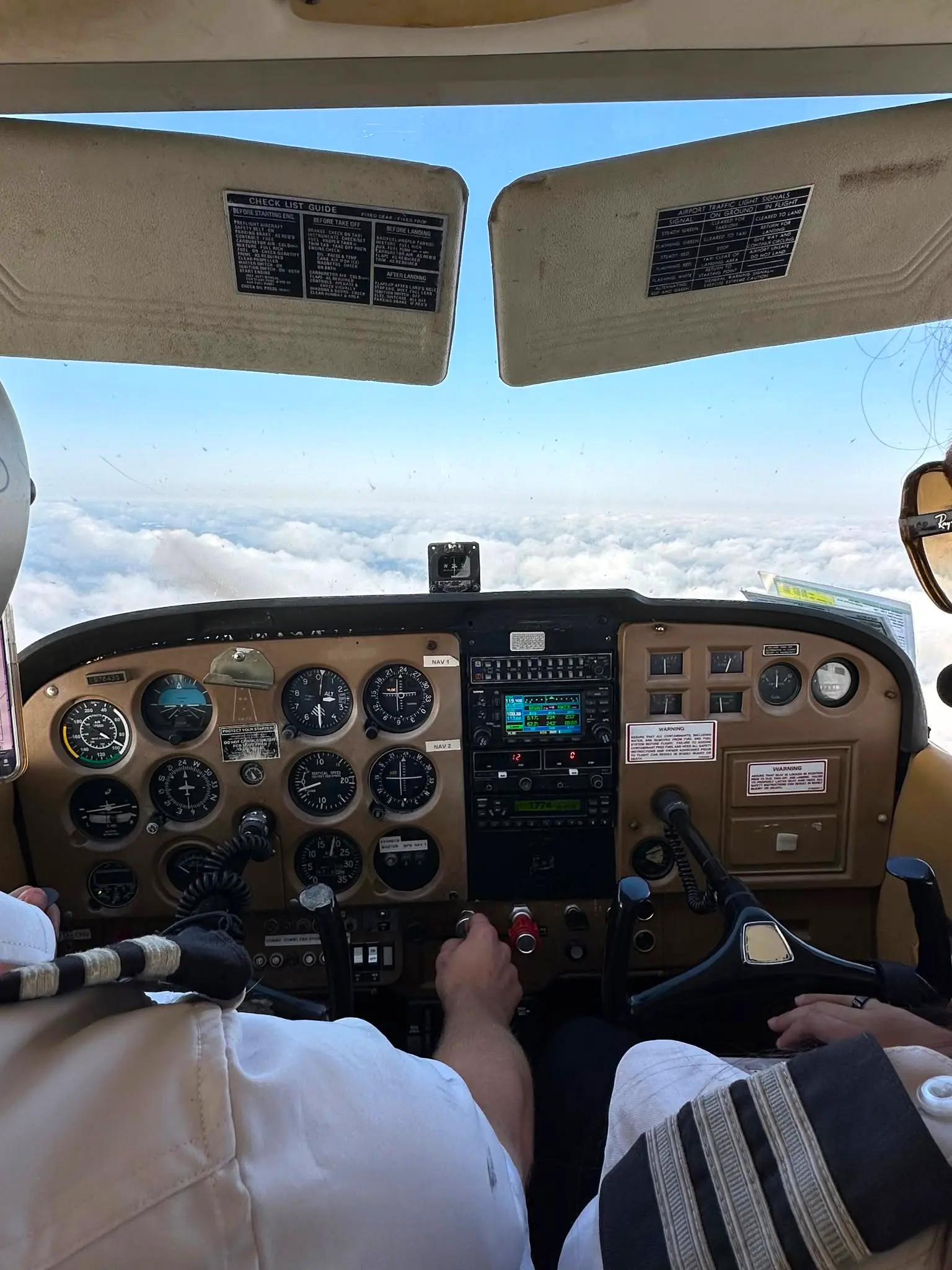
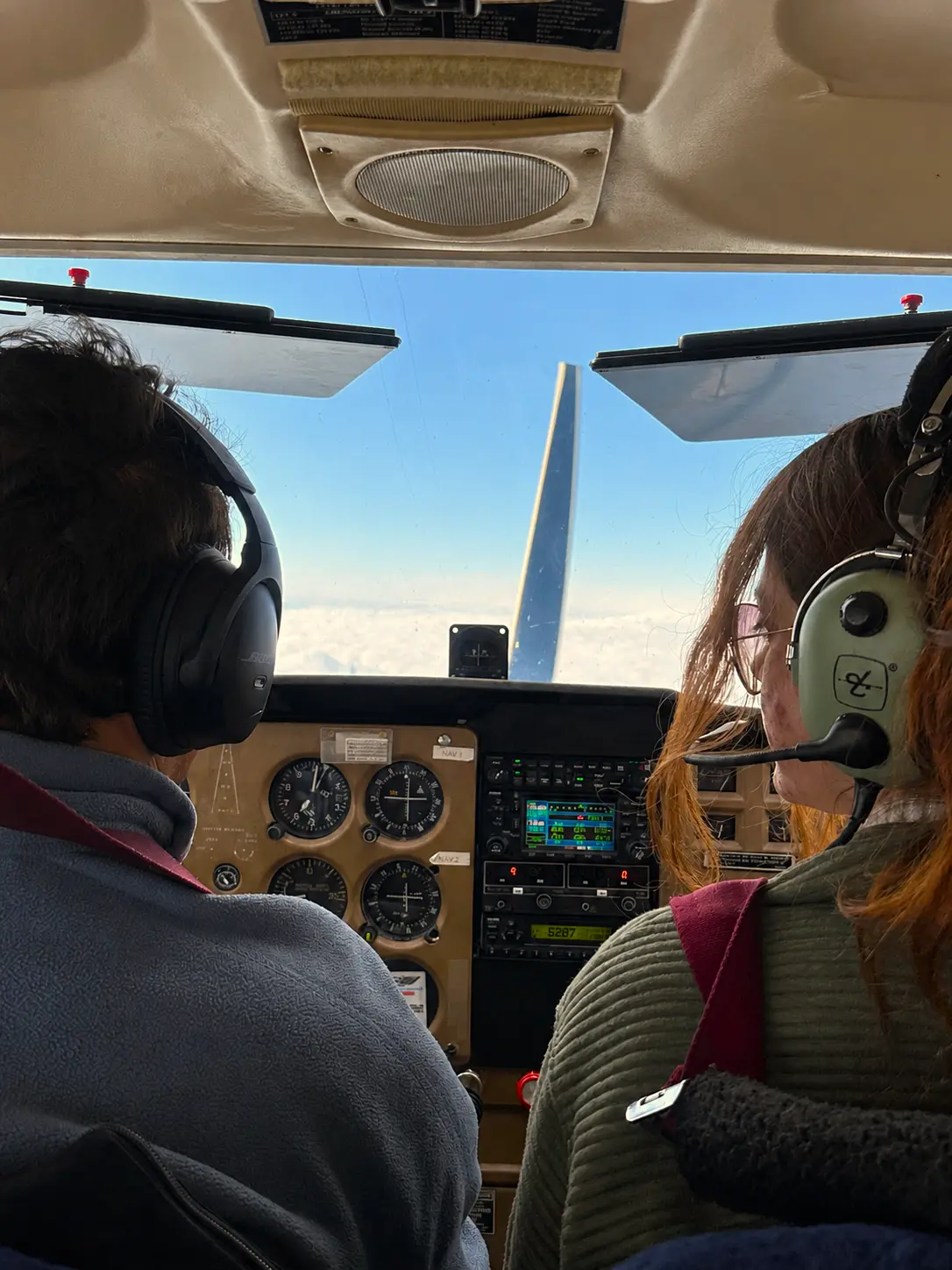
How to read and use the cockpit tools
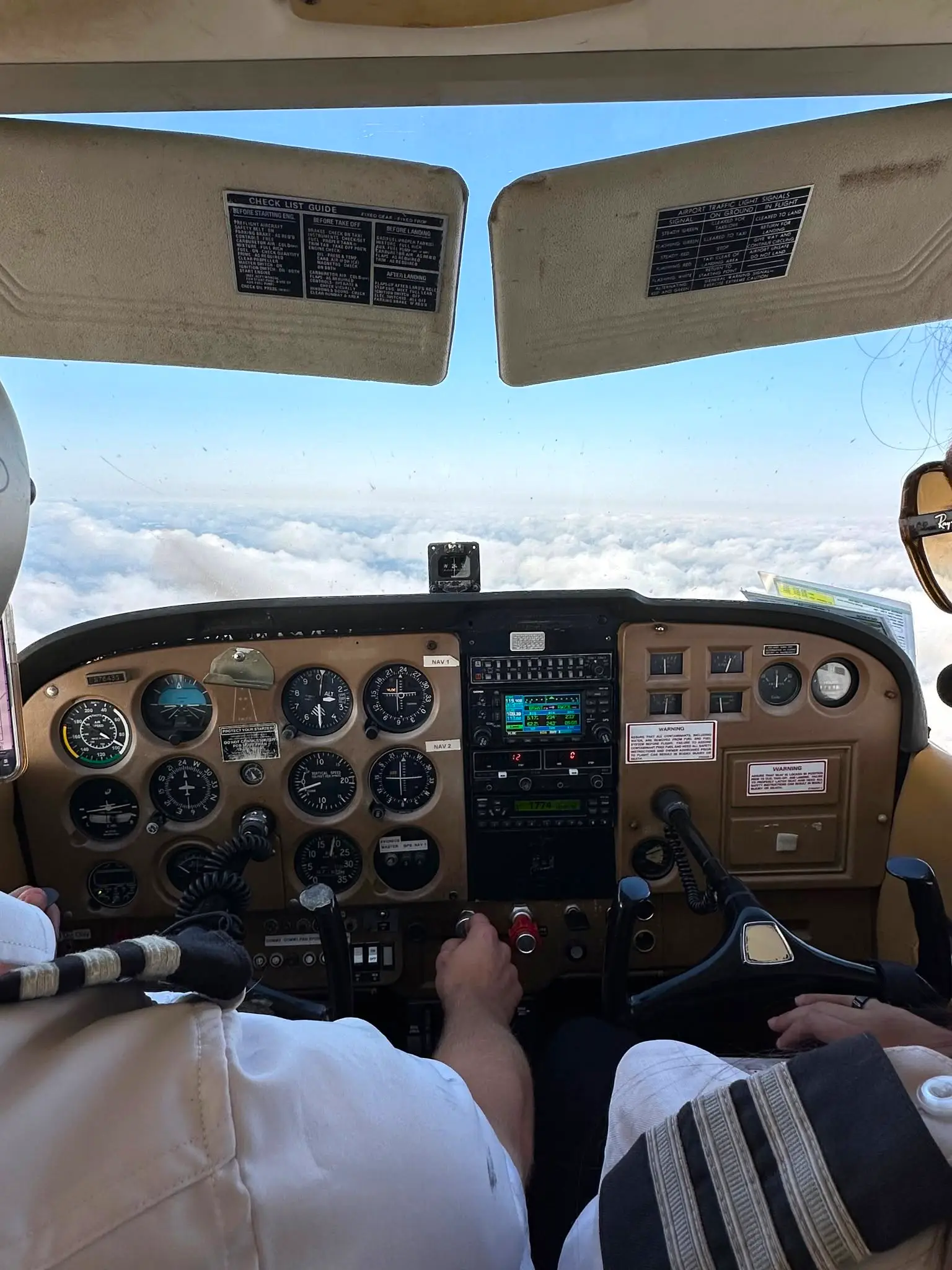
You learn to interpret modern glass panel displays, communicate on the radio, and manage navigation tools used in today's aircraft.
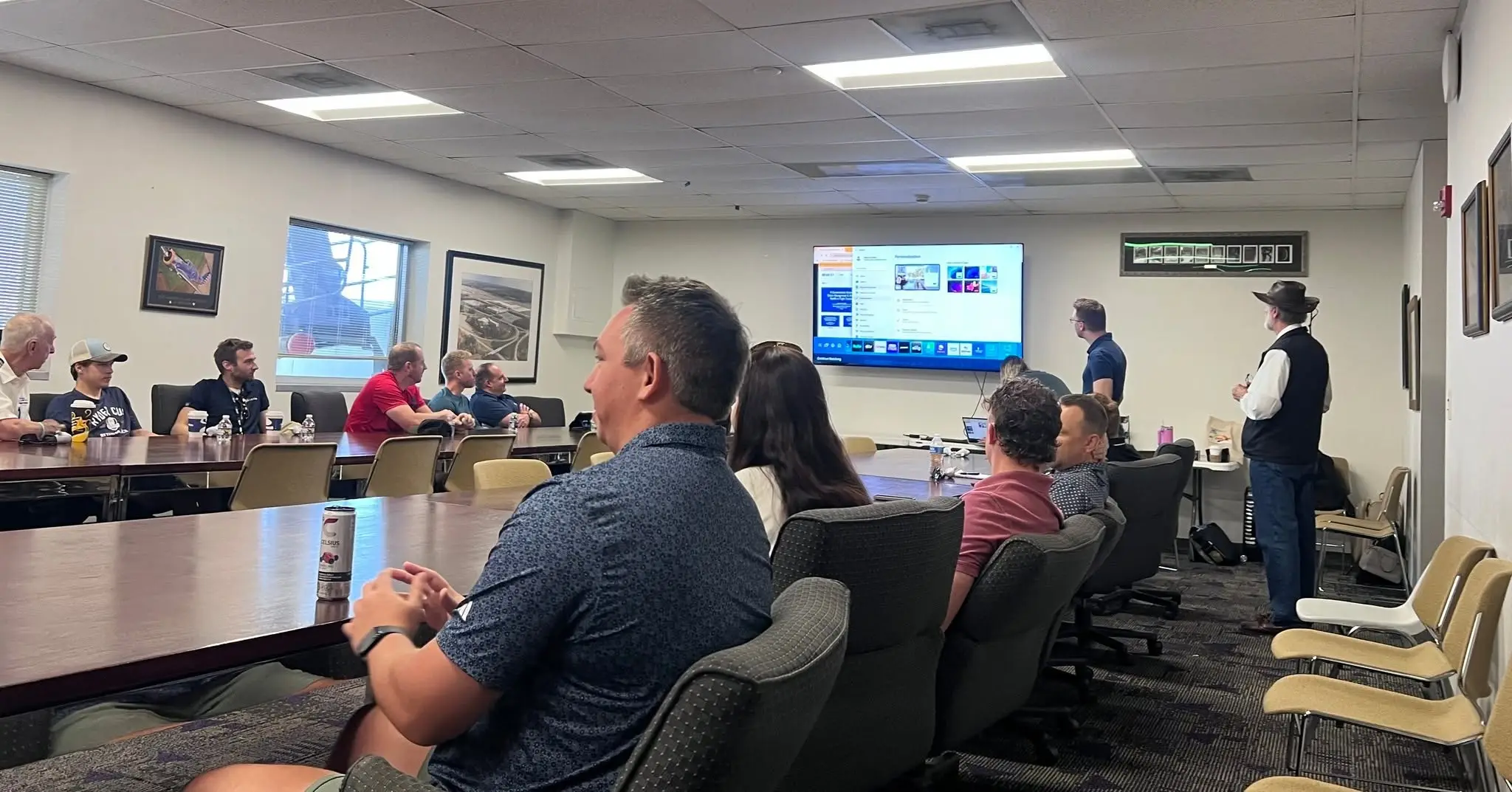
How flight training with Triad
works: step by step
Why train at
Triad Aviation Academy
Your training takes place at Piedmont Triad International Airport (KGSO) — a real, active airport environment where you build radio communications, air traffic awareness, and professional operating habits from lesson one.
We structure training so beginners know exactly where they stand and what comes next. Whether you're flying for personal freedom or building toward the airlines, we give you a clear path without the confusion.
See what training
looks like
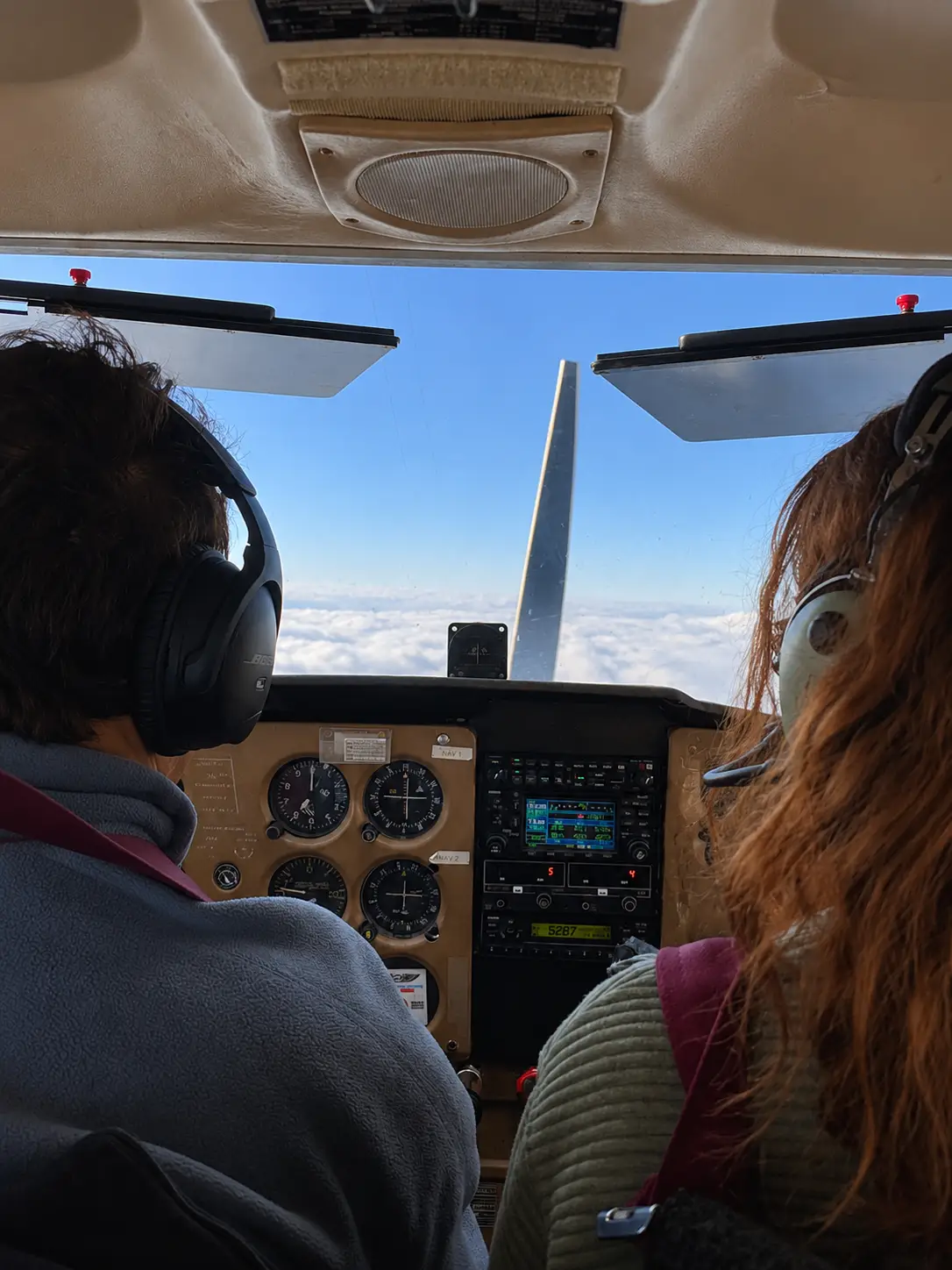
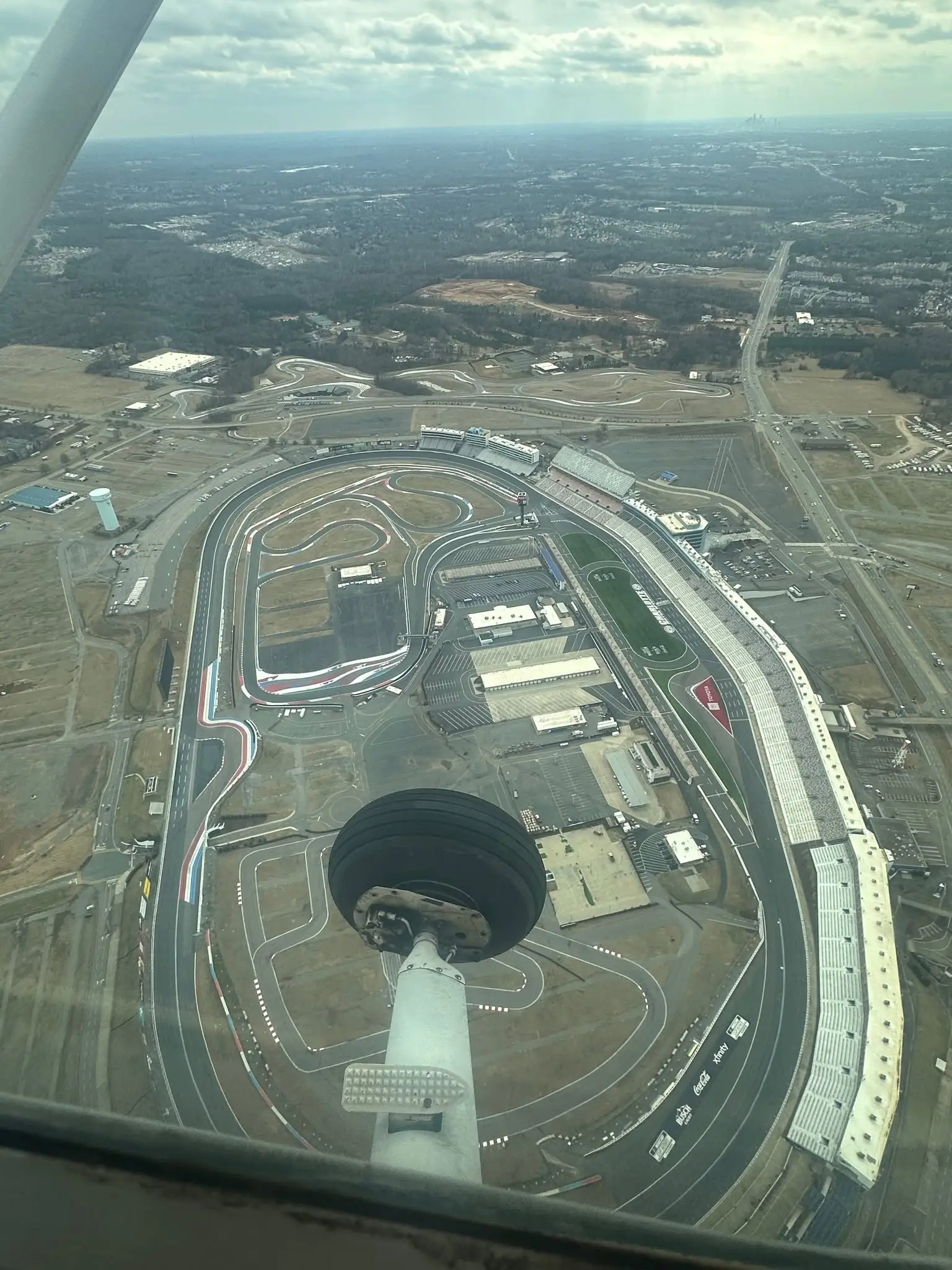
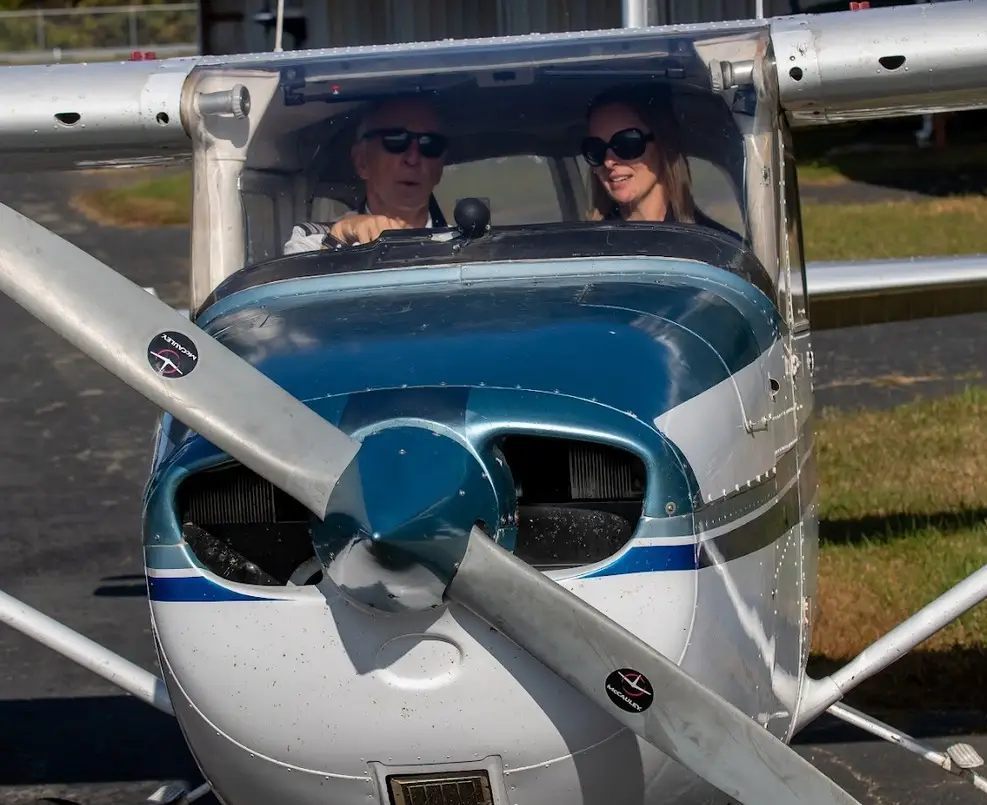
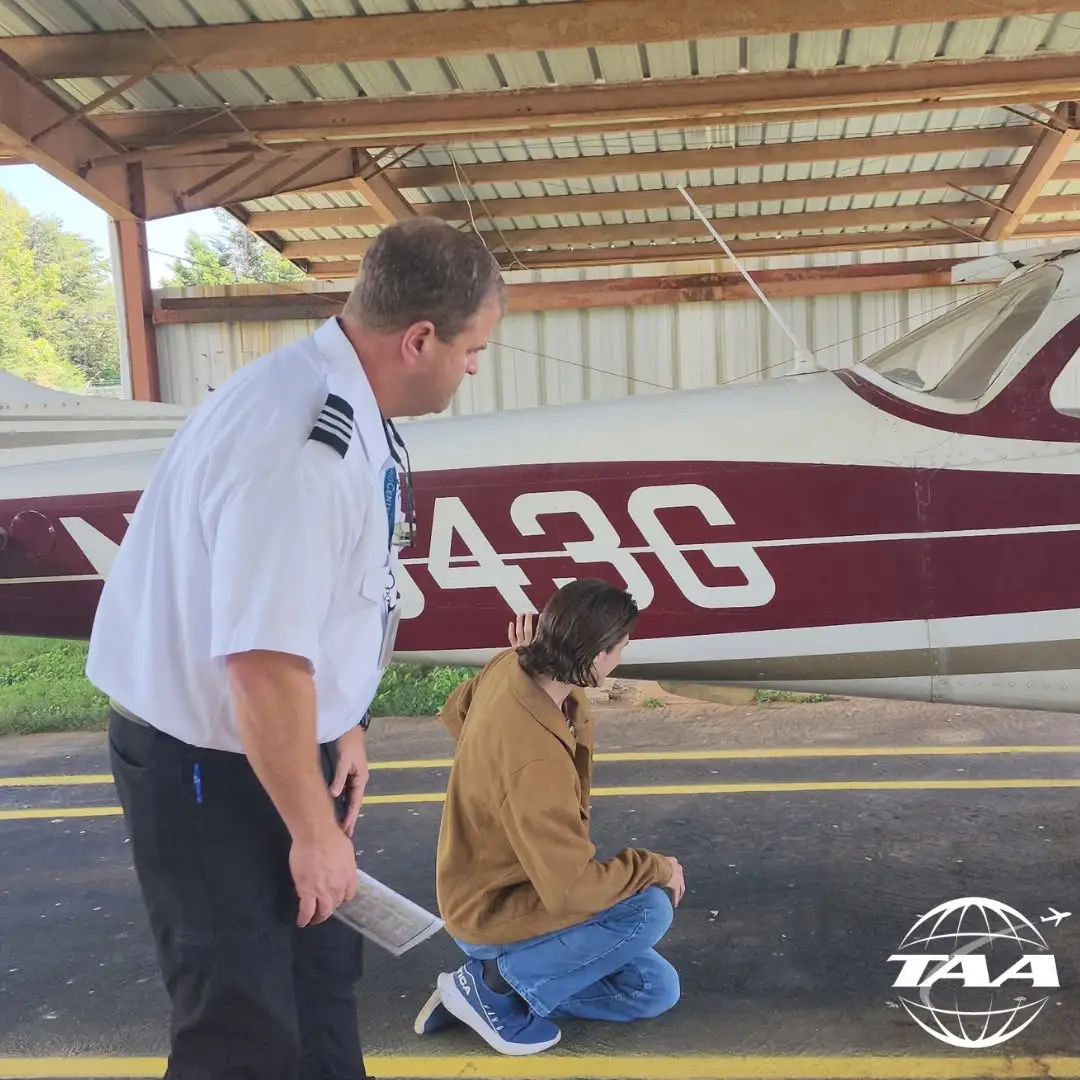
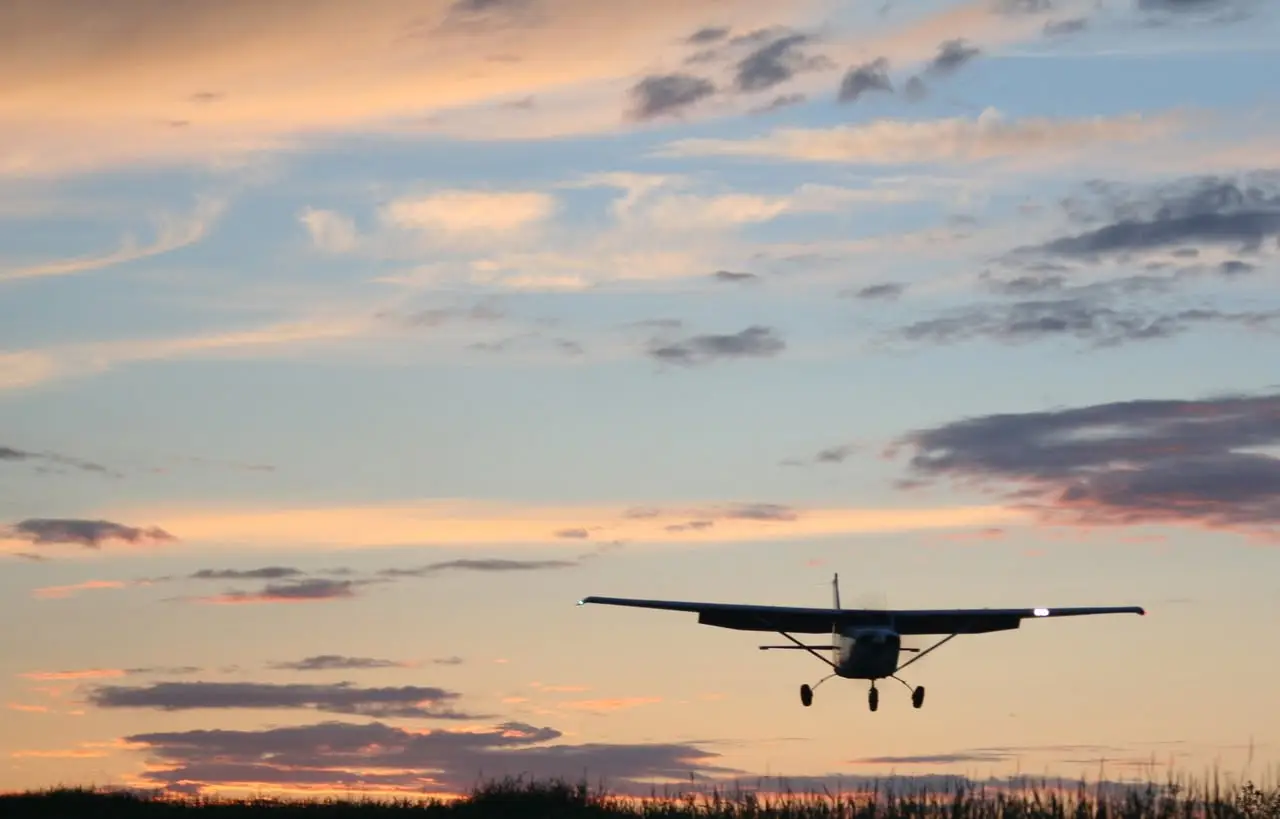
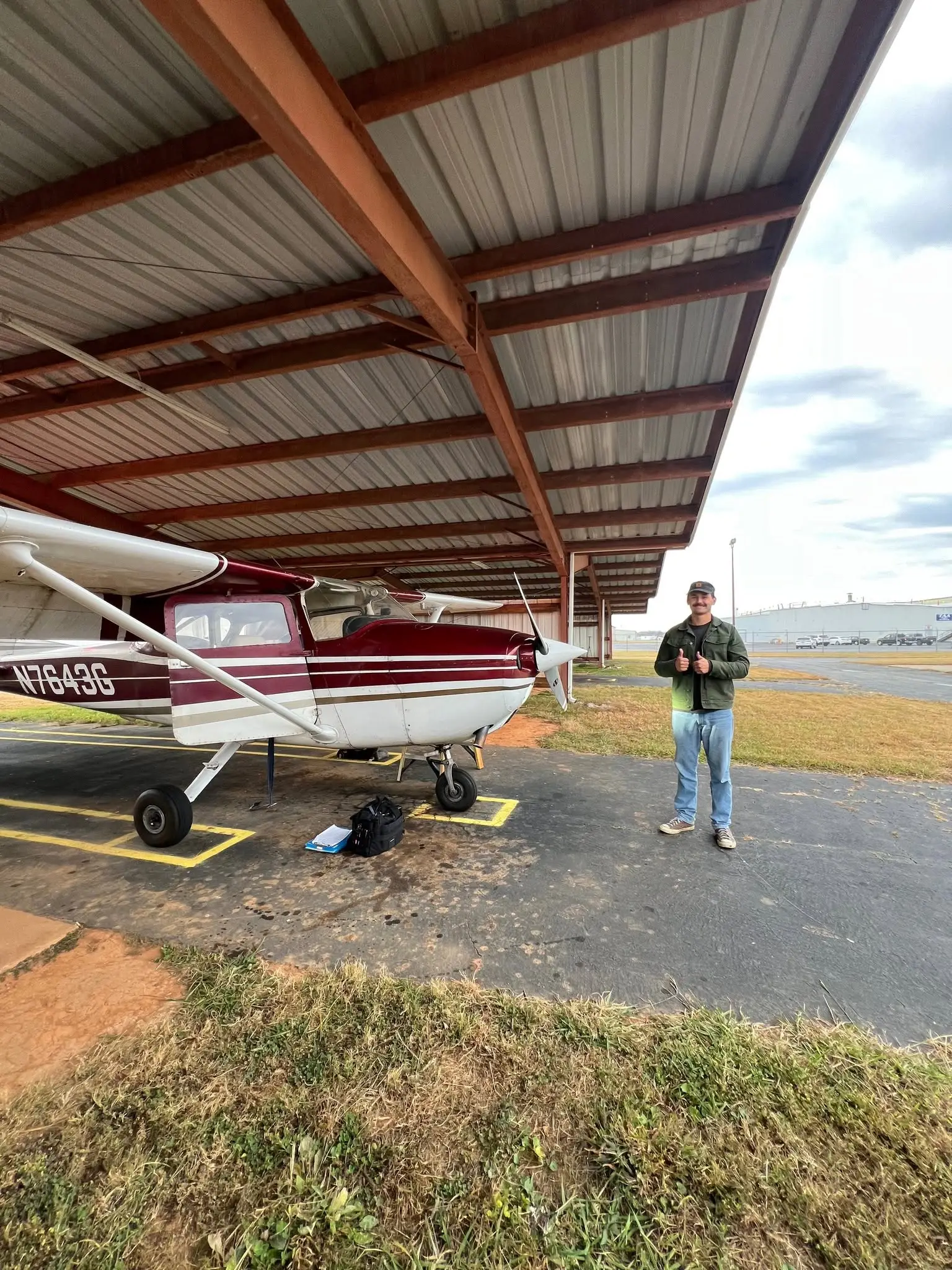
Real students. Real aircraft. Real progress.
From your first lesson all the way to checkride day.
Beginner flight
training questions
Use these answers to clear your first layer of uncertainty. Then talk with admissions so your next step is specific to your goal.
Start with one
clear next step
No experience required. No pressure. Just a real flight with a real instructor to show you what training feels like.